 By Mark Evans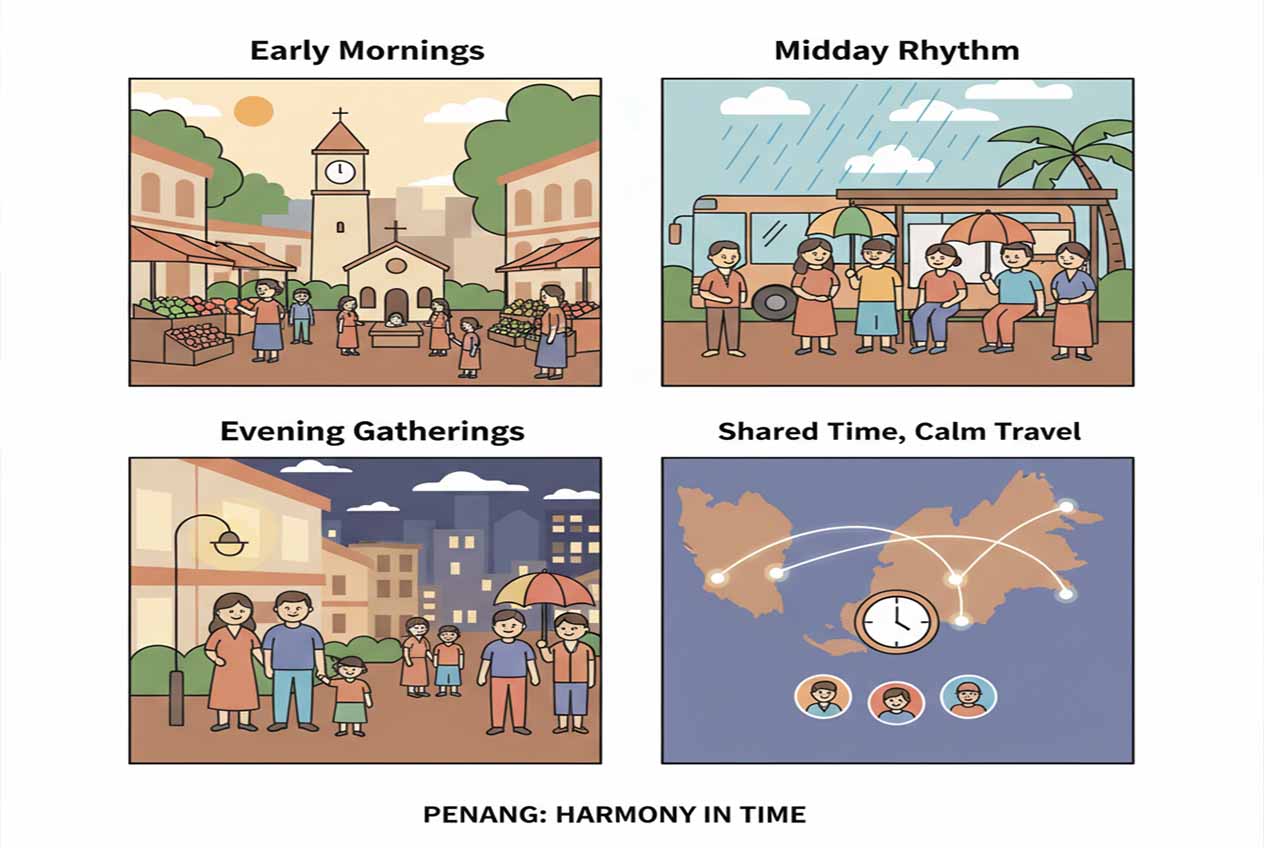
Time shapes daily life in Penang in quiet but steady ways. Visitors often adapt quickly to the warm air and sudden rain. They learn how to dress for humidity and how to move through busy streets. Yet many still feel unsure about schedules. A Mass begins earlier than expected. A bus arrives on time, but the crowd does not. These small moments can feel confusing at first.
Checking the time in Malaysia before setting plans helps visitors align with local rhythms and avoid small frustrations that can build throughout the day. Time awareness makes everyday movement smoother. It reduces guesswork. It allows visitors to participate rather than rush.
Penang moves with intention. Parish life, transport services, and social gatherings follow clear patterns shaped by long-standing habits. Those who understand local time often feel more relaxed. They arrive prepared. They wait with patience. They take part without pressure. Over time, the clock becomes a helpful guide instead of a source of stress.
Quick Overview
Time awareness supports smoother travel and more meaningful participation in Penang. Church schedules rely on punctuality and shared expectations built over time. Daily planning works best when visitors match local timing and allow flexibility.
How Malaysia Time Shapes Daily Life in Penang
Malaysia uses a single national time across the entire country. Penang follows this standard without variation, even though the island sits far from some other regions. This consistency creates a shared rhythm that locals understand instinctively.
Early mornings matter. Markets open before the heat builds. Church services often take place when the air feels cooler and movement is easier. As the day progresses, activity slows slightly. Evenings then bring renewed energy, with families gathering, parishes hosting events, and social life becoming more visible.
For visitors, this rhythm may feel unfamiliar at first. Once understood, it brings comfort. Planning meals, transport, and worship becomes easier. You learn when streets feel busiest and when they quiet down. You notice how daily life flows rather than rushes. Over time, the clock feels less like a rule and more like a shared agreement that keeps things running smoothly.
Church Schedules and the Importance of Punctuality
Church life in Penang follows a structured and respected flow. Mass times remain fixed. Special services rely on careful coordination between clergy, volunteers, and parishioners. Preparation often begins well before the service itself.
Parish volunteers arrive early to set up seating, prepare readings, and guide visitors. Musicians rehearse. Ushers take their places. When a service begins, it moves forward with purpose. Visitors who arrive late may miss key moments, not because of strict enforcement, but because the community values shared timing.
These schedules connect closely to the wider Catholic liturgical calendar, which sets the rhythm of worship across the year. Local Catholics grow up learning these patterns. Children attend services with their families. Adults adjust their routines around feast days and holy periods.
Visitors who arrive a little early often feel more at ease. They have time to observe. They settle quietly. They join without disruption. Punctuality, in this setting, becomes a sign of respect rather than obligation.
Time, Travel, and Coordinating Around Faith Events
Large faith events bring many people together at the same hours. Roads near churches slow. Public transport fills quickly. Taxis become harder to find close to service times. Planning travel around these patterns helps reduce stress.
Many parishes respond thoughtfully to these challenges. Adjustments are made to guide crowds, manage seating, and ensure safety. This balance appears clearly in modern worship in Penang, where churches respond to growing attendance while maintaining a sense of calm.
Visitors who plan arrival times with care often move more smoothly through these spaces. They avoid last-minute rushing. They give themselves time to park, walk, and enter respectfully. This approach supports both personal comfort and community harmony.
When Weather Changes the Clock
Daily timing in Penang often shifts with the weather. A sudden downpour can delay traffic. A stretch of intense heat can slow walking pace. Locals expect these changes and plan with flexibility.
Instead of reacting with frustration, people allow extra time. They wait under shelter. They adjust meeting points. This patience reflects a shared understanding that conditions change throughout the day.
Visitors benefit from checking the weather forecast in Kuala Lumpur alongside their schedules, especially when planning arrivals or transit connections. This habit helps set realistic expectations. A short delay feels manageable rather than stressful. Over time, weather awareness becomes part of thoughtful daily planning.
Time Awareness for Pilgrims and Visitors
Pilgrims often move with clear purpose. They plan routes between churches. They track service times carefully. Time awareness supports respectful participation, especially during crowded periods.
Arriving early shows care for the community and its customs. It allows space for quiet reflection. It avoids interrupting shared moments of worship. Visitors who allow buffer time often feel welcomed rather than hurried.
This respect reflects the deeper Catholic history in Penang, where discipline and shared time shaped parish life for generations. Over decades, communities learned that order and patience support harmony. Visitors who observe these patterns often gain a deeper appreciation of local faith life.
Authoritative Context on Malaysia Time
Malaysia’s national time standard supports legal clarity and daily coordination across the country. A single time zone simplifies communication, transport scheduling, and administrative planning. It allows services to operate smoothly without regional confusion.
This consistency also supports worship and travel planning. Parishes across different regions follow aligned schedules. Visitors moving between cities experience fewer adjustments.
For factual reference, the Malaysia Time standard explains how this system developed and why it remains in place. Understanding this background helps visitors see why schedules feel steady and predictable across the country.
A Calmer Visit Through Time Awareness
Time awareness does not demand strict control or constant checking. It invites attentiveness. Visitors who match local rhythms often move with ease. They wait without pressure. They arrive ready. In Penang, understanding time supports a visit that feels respectful, calm, and deeply connected to community life.