 By Mark Evans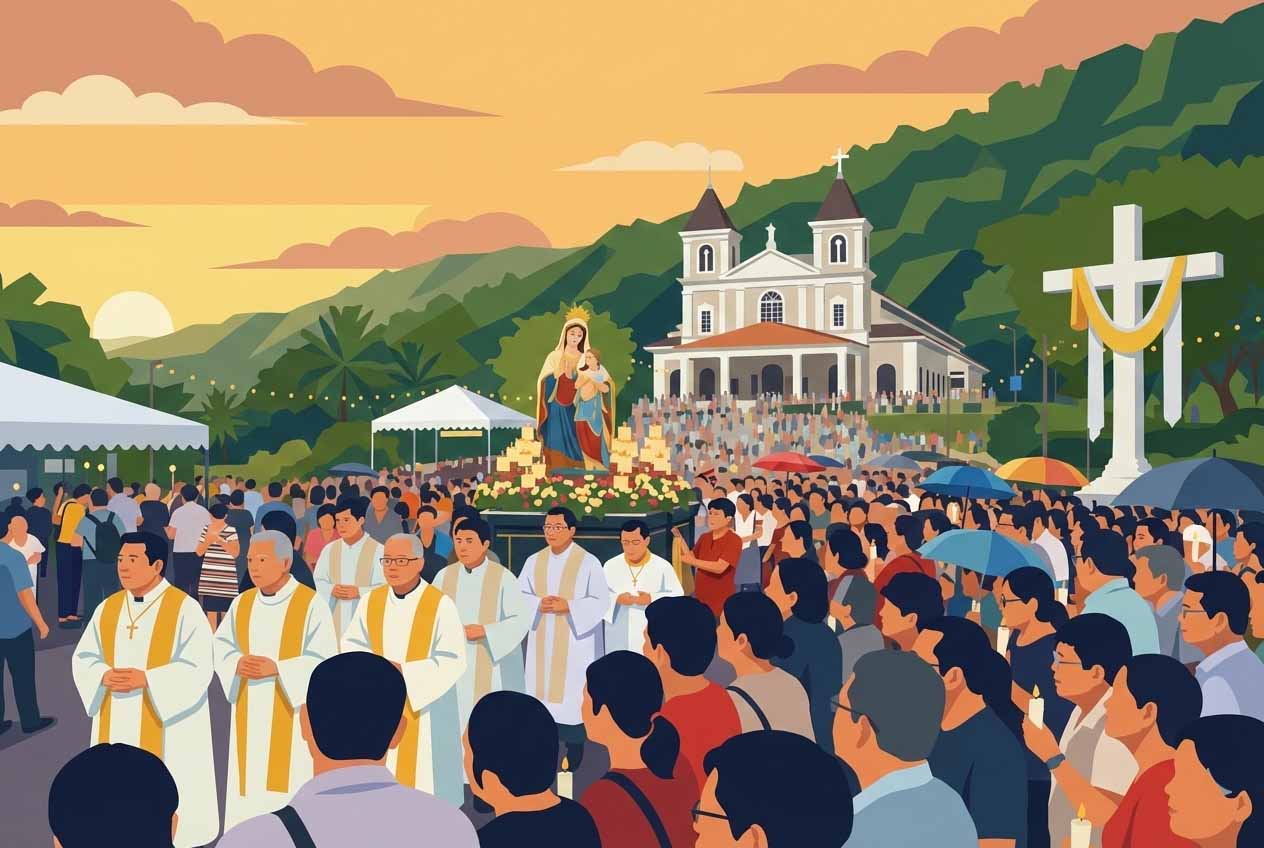
Choosing the right time to visit Penang goes beyond booking flights and hotels. Weather and timing shape how people move, gather, and worship across the island. For pilgrims and visitors alike, climate patterns influence outdoor processions, walking routes, and even the pace of daily life. Many travelers check the weather in Malaysia before setting plans, yet the deeper impact of climate on faith events often goes unnoticed. With some awareness, visitors can experience Penang in a way that feels both comfortable and respectful.
Penang’s Catholic life unfolds in public spaces. Streets, church grounds, and open courtyards often become places of prayer and celebration. Weather conditions affect how long people stay, how far they walk, and how events are scheduled. Understanding these factors allows visitors to engage more fully with both faith and community.
Quick Overview
Penang’s tropical climate affects religious celebrations, pilgrimages, and travel comfort throughout the year. Seasonal rain and heat influence how festivals unfold and how visitors move around the island. By aligning travel plans with local weather and faith calendars, visitors gain a richer experience.
Penang’s Climate and Everyday Rhythm
Penang sits within a tropical zone where warmth remains steady throughout the year. Temperatures change little from month to month, yet rainfall varies more noticeably. Some periods bring frequent afternoon showers, while others feel calmer and drier. These changes shape everyday routines.
A short downpour can shift an outdoor Mass to a sheltered area. High humidity can turn a long walk into a slower, more reflective journey. Locals adjust without difficulty. Umbrellas appear quickly. Volunteers guide visitors to shaded rest points. Parishes plan activities with these realities in mind.
Visitors who understand this rhythm often feel more at ease. Instead of rushing from place to place, they allow time for rest and reflection. The climate encourages a gentler pace, one that aligns well with the reflective nature of pilgrimage and worship.
Seasonal Weather Patterns Explained
Penang does not experience four clear seasons. Instead, it moves through cycles of wetter and drier periods. The monsoon months bring regular rainfall, often in short but intense bursts. Streets dry quickly, yet the air remains heavy and warm.
During drier stretches, days feel brighter and movement becomes easier. Outdoor gatherings attract larger crowds. Walking pilgrimages feel less demanding. Heat still shapes daily planning, though locals manage it by scheduling activities in the early morning or late afternoon.
Understanding these cycles helps visitors choose months that suit their comfort level. Those sensitive to heat may prefer periods with more cloud cover. Others may enjoy the clarity of drier days. Neither choice is better. Each offers a different experience shaped by the same landscape.
How Weather Shapes Major Catholic Festivals and Pilgrimages
Many Catholic events in Penang take place outdoors. Processions move through streets. Prayer walks cross open grounds. Community gatherings often extend beyond church walls. Weather influences every part of these events.
Rain does not stop these traditions, yet it changes how they unfold. Routes may shorten. Schedules adjust. Volunteers take on extra roles to guide crowds and ensure safety. Participants respond with patience and care.
A clear example is the St Anne pilgrimage, which draws thousands of pilgrims each year. Many prepare by watching forecasts and packing for both rain and heat. Some choose quieter days to avoid crowds and weather strain. Others attend peak days despite the conditions, valuing the shared experience. In every case, climate awareness supports safer movement and calmer participation.
Tourism Peaks and Faith Calendars
Religious seasons strongly influence travel patterns across Penang. Major feast days bring visitors from other parts of Malaysia and beyond. Hotels fill faster. Public transport becomes busier. Streets near churches see increased foot traffic.
Weather adds another layer to these patterns. Rainy periods can slow travel and affect walking routes. Clear days encourage longer stays and outdoor exploration. Visitors often notice how climate and faith calendars interact throughout the year.
These gatherings reflect broader Catholic celebrations in Malaysia, where worship blends with cultural expression. Food stalls appear near church grounds. Families travel together. Shared memory becomes part of the experience. Visitors who plan with both climate and calendar in mind often enjoy smoother travel and deeper connection with local communities.
Daily Timing and Practical Planning
Beyond seasons, daily timing plays a steady role in travel comfort. Mass schedules, parish activities, and transport services follow local routines. Weather can shift these plans slightly. Rain may delay arrivals. Heat encourages earlier starts or longer breaks.
Visitors often find it helpful to confirm the current time in Malaysia when coordinating flights, services, or prayer schedules. This habit avoids confusion, especially for those arriving from different time zones. Allowing extra time between activities reduces stress and allows room for rest.
Simple planning choices make a difference. Choosing shaded walking routes. Scheduling visits around cooler hours. Allowing flexibility for unexpected weather changes. These adjustments support a calmer and more respectful visit.
Choosing a Period That Fits Your Purpose
No single month suits every visitor. Some seek large gatherings and shared worship. Others look for quieter moments of reflection. Weather and faith calendars work together in shaping these experiences.
A pilgrimage-focused visit may align with major feast days, even if weather conditions feel demanding. A reflective stay may suit calmer periods with lighter crowds and gentler movement. Each choice offers its own rhythm and reward.
The Catholic liturgical calendar provides guidance on these patterns. Matching personal goals with climate conditions helps visitors choose a period that feels thoughtful rather than rushed.
Trusted Climate Context for Visitors
While personal experience matters, official climate data provides a reliable foundation for planning. Long-term records show rainfall trends, temperature ranges, and seasonal shifts. These details help visitors prepare realistically.
Public resources such as Malaysia climate data from the Malaysian Meteorological Department offer dependable background information. Such sources support informed decisions and reduce uncertainty, especially for first-time visitors.
Visiting Penang With Care and Awareness
Weather and timing do not limit the Penang experience. They shape it. Visitors who respect local rhythms often find their journeys more meaningful. With preparation and openness, each visit becomes a shared moment within Penang’s living faith and welcoming community.